Commercial Kitchen EquipmentMaintenance & Longevity
Quick Answer
Commercial kitchen equipment lasts longest with a three-tier maintenance routine: daily cleaning and visual checks, weekly deep-cleaning and descaling, and monthly inspection of seals, calibration, and moving parts. Most breakdowns trace back to deferred cleaning or ignored early warning signs — not sudden failure. A consistent maintenance schedule is almost always cheaper than reactive repairs and unplanned downtime.
Well-built commercial kitchen equipment can run for a decade or more — but almost none of it gets there on build quality alone. The equipment that lasts is the equipment that gets cleaned, checked, and serviced on a schedule, not just when something visibly breaks.
This guide covers what a proper maintenance routine actually looks like — daily, weekly, and monthly — plus the warning signs that mean it's time to call for professional service before a small issue becomes an expensive one.
Why Maintenance Matters More Than Most Kitchens Realise
In a working commercial kitchen, equipment doesn't fail suddenly nearly as often as it seems to. Most breakdowns are the end result of weeks or months of deferred cleaning, a worn seal nobody replaced, or mineral buildup nobody descaled — all of which are cheap to fix early and expensive to fix once they cause a full failure during service.
Standards bodies like NSF International publish widely referenced guidance on food equipment cleaning and sanitation, and food-service operators in India also work within FSSAI's hygiene and food safety requirements — both point to the same conclusion: consistent cleaning and maintenance isn't optional upkeep, it's core to running a safe, efficient kitchen.
Daily Maintenance Checklist
These five checks take a few minutes and catch most issues before they escalate:
- Wipe down all food-contact surfaces after every shift, not just at closing.
- Check burners, heating elements, and thermostats are responding correctly before service starts.
- Empty and clean oil-collection trays, crumb trays, and filters.
- Inspect door seals and gaskets on ovens and fryers for visible gaps or wear.
- Confirm gas connections and electrical cords show no visible damage.
Weekly & Monthly Maintenance Tasks
| Frequency | Task |
|---|---|
| Weekly | Deep-clean interior surfaces, including areas behind and under equipment where grease builds up. |
| Weekly | Descale beverage equipment — coffee machines, juice dispensers, and softy machines — to prevent mineral buildup. |
| Monthly | Inspect and, if needed, replace worn door gaskets and seals before they fail completely. |
| Monthly | Check calibration on thermostats and temperature controls against a reference thermometer. |
| Monthly | Lubricate moving parts on mixers, rotary ovens, and other mechanical equipment per the manufacturer's guidance. |
Category-Specific Maintenance Tips
General cleaning covers most of it, but each equipment category has a maintenance detail that's easy to overlook:
Cooking Equipment
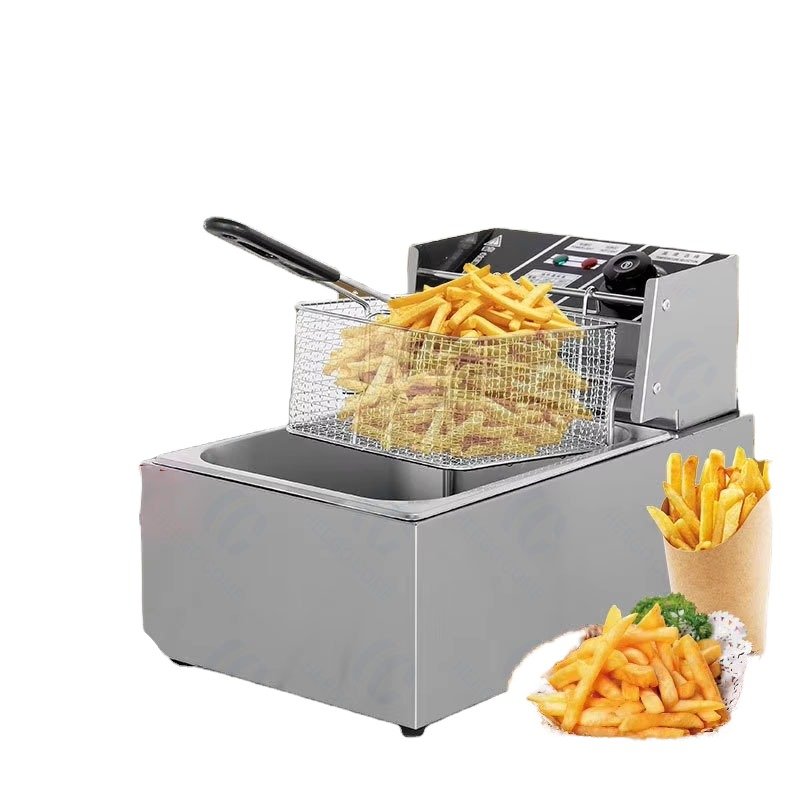
Deep-clean oil-collection systems on fryers weekly, and check burner flames are blue and even — a yellow or uneven flame usually signals a cleaning or ventilation issue.
Bakery Equipment
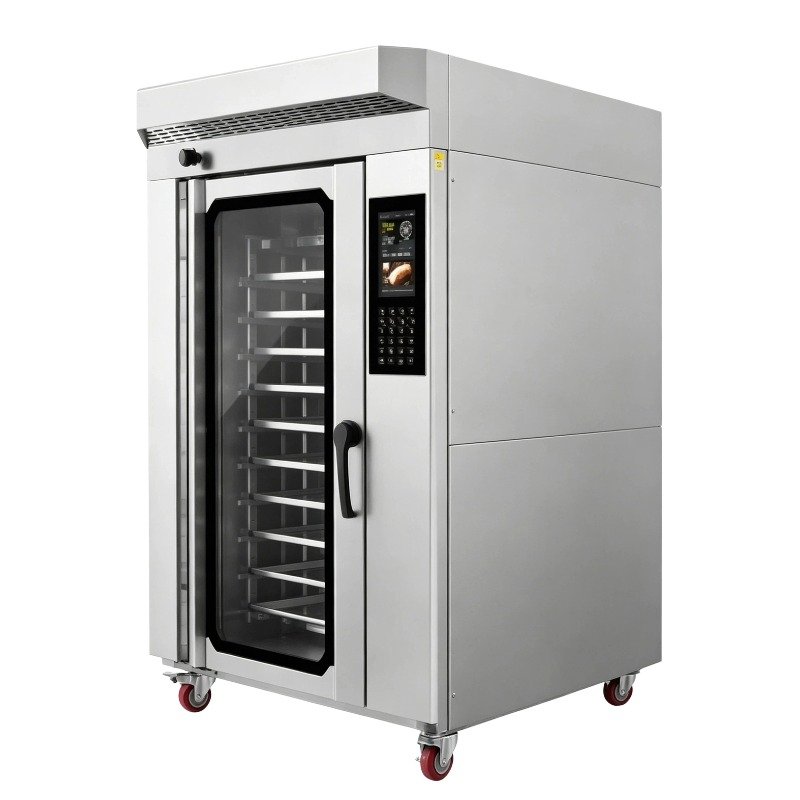
Clean flour and dough residue from mixer bowls and hooks after every use — dried residue accelerates wear on seals and bearings over time.
Beverage Equipment
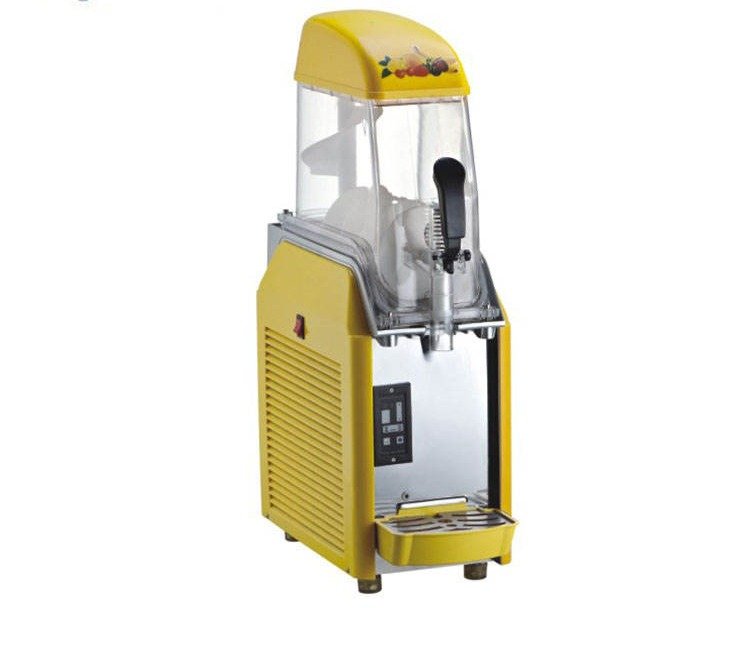
Descale tanks and dispensing lines on a fixed schedule — mineral and sugar buildup is the most common cause of beverage equipment breakdowns.
Snack Equipment
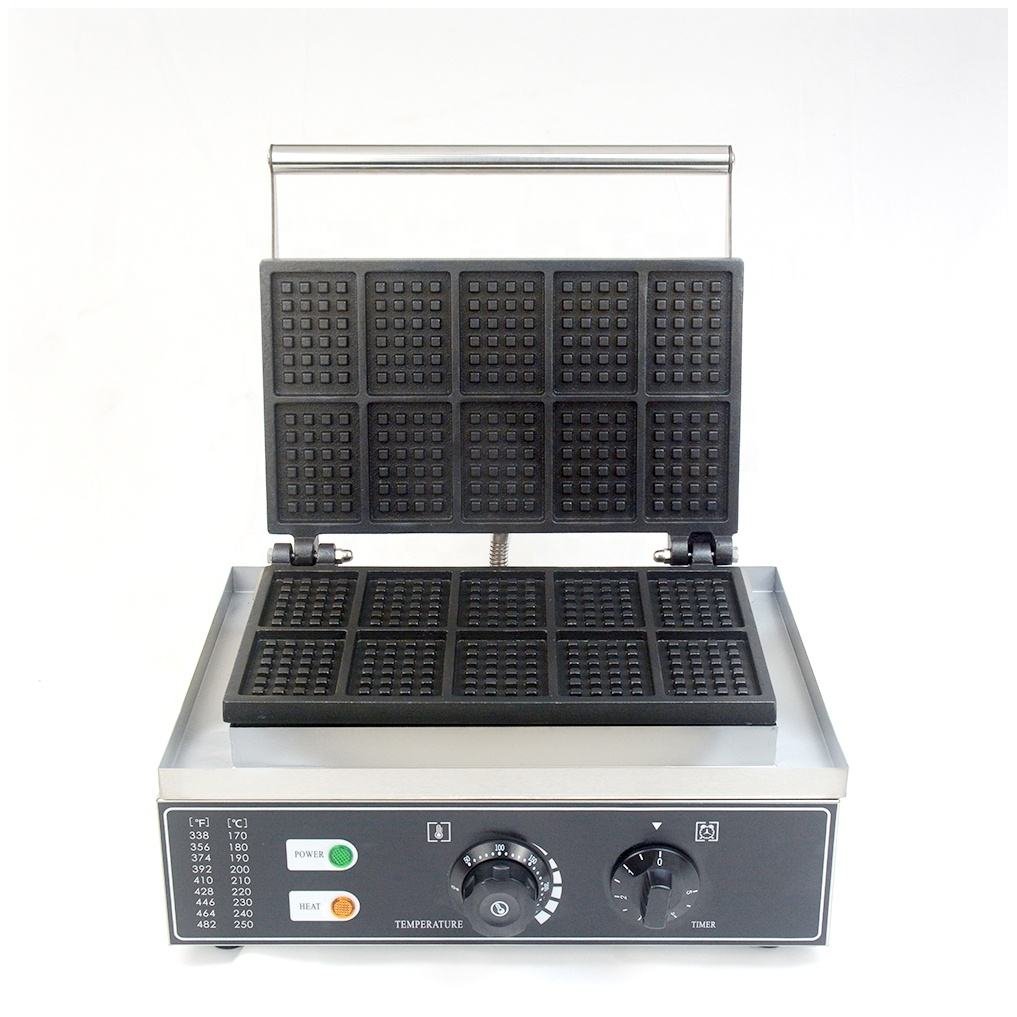
Season and clean waffle and popcorn machine plates per manufacturer guidance — buildup here affects both output quality and equipment life.
See full specifications for our cooking, bakery, beverage, and snack equipment ranges, including recommended care guidance for each model.
Signs You Need Professional Service
Unusual noises, vibration, or smells during operation that weren't there before.
Inconsistent heating, cooling, or output compared to when the equipment was new.
Visible rust, pitting, or corrosion on food-contact surfaces.
Doors, lids, or seals that no longer close fully or evenly.
Rising utility bills with no change in usage — often a sign of declining efficiency.
How Maintenance Affects Lifespan & Warranty

Most manufacturer warranties cover fabrication and material defects — not damage caused by neglect, harsh cleaning chemicals, or ignored maintenance. Keeping a simple maintenance log protects both your equipment and your warranty claim if something does go wrong.
At Acutus, every order is backed by a manufacturer warranty against fabrication and material defects, supported by a dedicated service team for maintenance and spare parts. See our full quality and warranty process.
Common Maintenance Mistakes
Waiting for a breakdown instead of scheduling maintenance.
Reactive-only maintenance almost always costs more in downtime than a scheduled maintenance routine would have cost in labour.
Using the wrong cleaning chemicals on stainless steel.
Harsh chlorine-based or abrasive cleaners can damage the protective oxide layer on stainless steel — use cleaners rated safe for food-grade stainless steel.
Ignoring minor gasket or seal wear.
A worn seal that seems minor today often means poor temperature control and higher energy use well before it fails outright.
Not keeping a maintenance log.
Without a log, small recurring issues are hard to spot — and warranty claims are harder to support without a maintenance record.
Daily
Clean, wipe down, and visually check equipment.
Weekly
Deep-clean and descale beverage and cooking equipment.
Monthly
Inspect seals, calibration, and moving parts.
Frequently Asked Questions
Most commercial kitchen equipment needs daily cleaning, weekly deep-cleaning of components like fryers and beverage dispensers, and monthly checks on seals, calibration, and moving parts. High-use equipment may need more frequent attention.
Yes. Most equipment failures in commercial kitchens trace back to deferred cleaning, worn seals, or mineral and grease buildup that a regular maintenance routine would have caught early.
Routine maintenance — cleaning, inspection, basic descaling — is something kitchen staff can handle daily. Professional service covers calibration, electrical or gas component repair, and diagnosing the warning signs covered above.
It can. Most manufacturer warranties cover fabrication and material defects, not damage caused by neglect, incorrect cleaning chemicals, or ignored maintenance — so keeping a maintenance log is worth doing even if you never expect to need it.
For kitchens running equipment daily at commercial volume, an AMC with a dedicated service provider is usually worth it — it turns unpredictable breakdown costs into a fixed, planned expense and keeps small issues from becoming large ones.
Conclusion
Equipment longevity isn't decided at the point of purchase — it's decided every day after, in whether cleaning gets done on schedule, whether a worn seal gets replaced before it fails, and whether small warning signs get investigated instead of ignored.
Build a simple daily-weekly-monthly routine, keep a maintenance log, and call for professional service at the first warning sign rather than the last — it's consistently the cheapest way to get the full service life out of your equipment.
Written By
Dhaval PrajapatiFounder of Acutus Kitchen Equipment, with 10 years of hands-on experience in commercial kitchen and stainless-steel equipment manufacturing.
Our Service Team Can Help
Reach out for maintenance support, spare parts, or to ask about an Annual Maintenance Contract for your kitchen.