Stainless Steel & Material Quality304 vs 202 Grade Explained
Quick Answer
304 stainless steel contains more nickel than 202, giving it significantly better corrosion resistance and a longer service life — which is why it's the standard for food-contact surfaces in commercial kitchen equipment. 202 costs less but stains and corrodes faster under daily cleaning and acidic food exposure. For anything that touches food regularly, 304 is worth the higher upfront cost; 202 is a reasonable choice only for non-food-contact structural parts.
"Stainless steel" on a spec sheet tells you almost nothing on its own. Two pieces of equipment can both be labelled stainless steel and behave completely differently after eighteen months of daily cleaning, acidic food contact, and continuous commercial use — because the grade of stainless steel used underneath that label is doing all the actual work.
This guide breaks down the two grades that come up most often in commercial kitchen equipment — 304 and 202 — what actually separates them, where each one belongs, and how to check what you're really buying before you sign off on an order.
Why Stainless Steel Is the Standard for Commercial Kitchens
Stainless steel is the default material for professional food-service equipment because it resists corrosion from moisture and acidic food, doesn't harbour bacteria the way porous materials can, withstands repeated heavy cleaning, and holds up to years of continuous commercial use without degrading.
But "stainless steel" is a family of alloys, not a single material — and the grade within that family determines how much of those benefits you actually get.
What "Grade" Actually Means in Stainless Steel
Stainless steel gets its corrosion resistance from chromium, which forms a thin protective oxide layer on the surface. Different grades adjust the mix of chromium, nickel, and other elements like manganese — and that mix directly affects how well the metal resists rust, staining, and long-term wear.
In commercial kitchen equipment, two grades dominate the market: 304, often called "18/8" stainless steel for its typical ~18% chromium and ~8% nickel content, and 202, which replaces much of that nickel with manganese to reduce cost.
304 vs 202 Stainless Steel: The Real Differences
| Attribute | Grade 304 | Grade 202 |
|---|---|---|
| Also Known As | 18/8 stainless steel | Chrome-manganese stainless steel |
| Typical Composition | ~18% chromium, ~8% nickel | Lower nickel, higher manganese substitute |
| Corrosion Resistance | Excellent, including against salt and acidic food | Moderate — more prone to staining and rust over time |
| Typical Cost | Higher upfront cost | Lower upfront cost |
| Best Suited For | Food-contact surfaces, sinks, worktables, cooking equipment interiors | Non-food-contact structural parts, frames, and legs (where cost matters more than corrosion resistance) |
| Long-Term Value | Longer service life, fewer replacements | Shorter service life in continuous commercial use |
In India, stainless steel used for utensils and kitchen equipment is generally referenced against standards such as IS 6911, published by the Bureau of Indian Standards (BIS), while global bodies like the International Stainless Steel Forum publish broader technical reference material on grade composition and performance.
Where Grade Matters Most in a Commercial Kitchen
Grade matters most on surfaces that touch food and moisture directly, every single day — which covers most of a commercial kitchen's equipment:
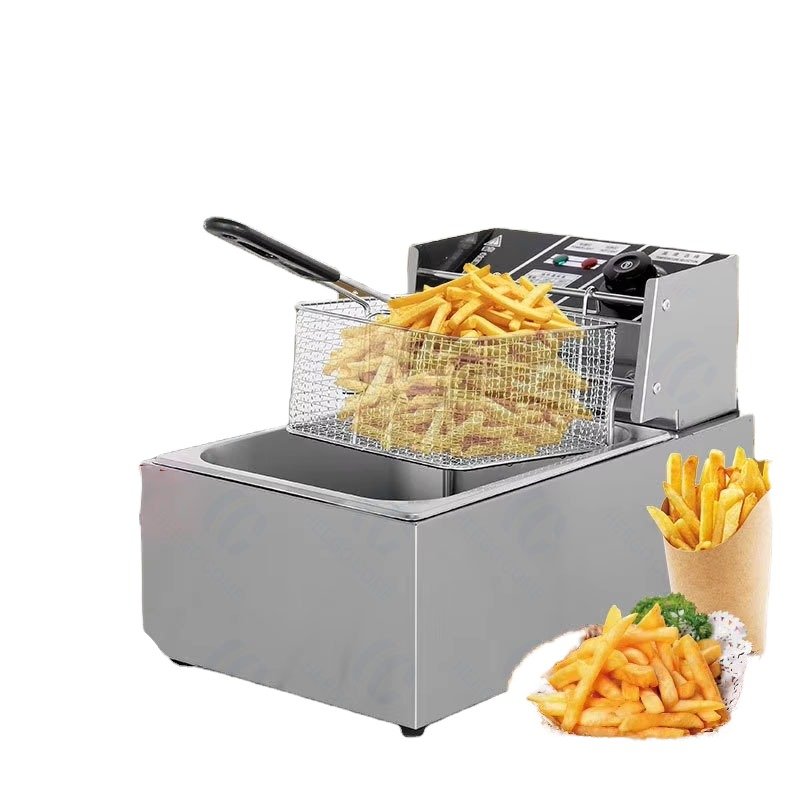
Cooking Equipment
Interiors, trays, and surfaces exposed to hot oil, sauces, and acidic ingredients daily.
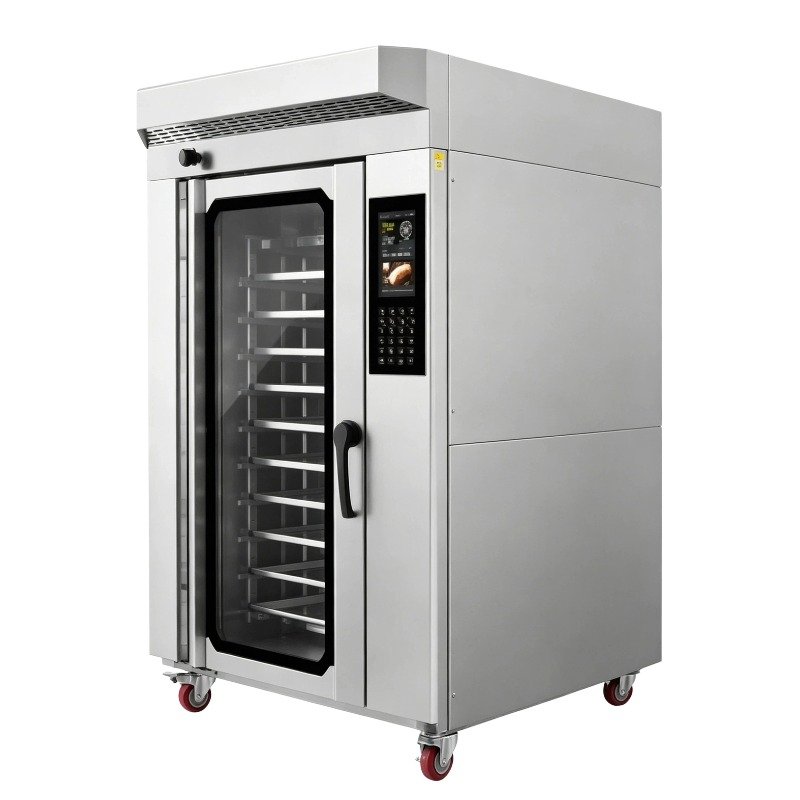
Bakery Equipment
Mixing bowls, dough hooks, and oven trays in constant contact with dough and batter.
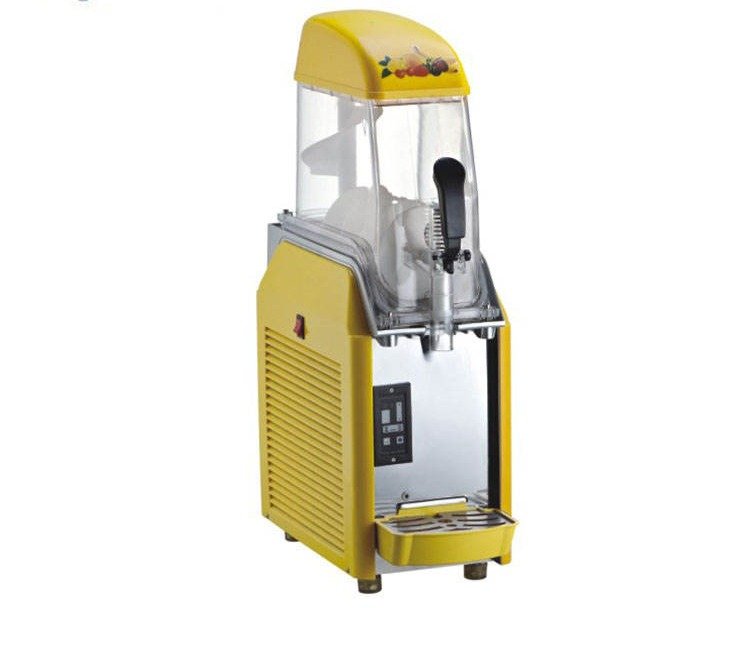
Beverage Equipment
Tanks and dispensers holding acidic juices and beverages for extended periods.
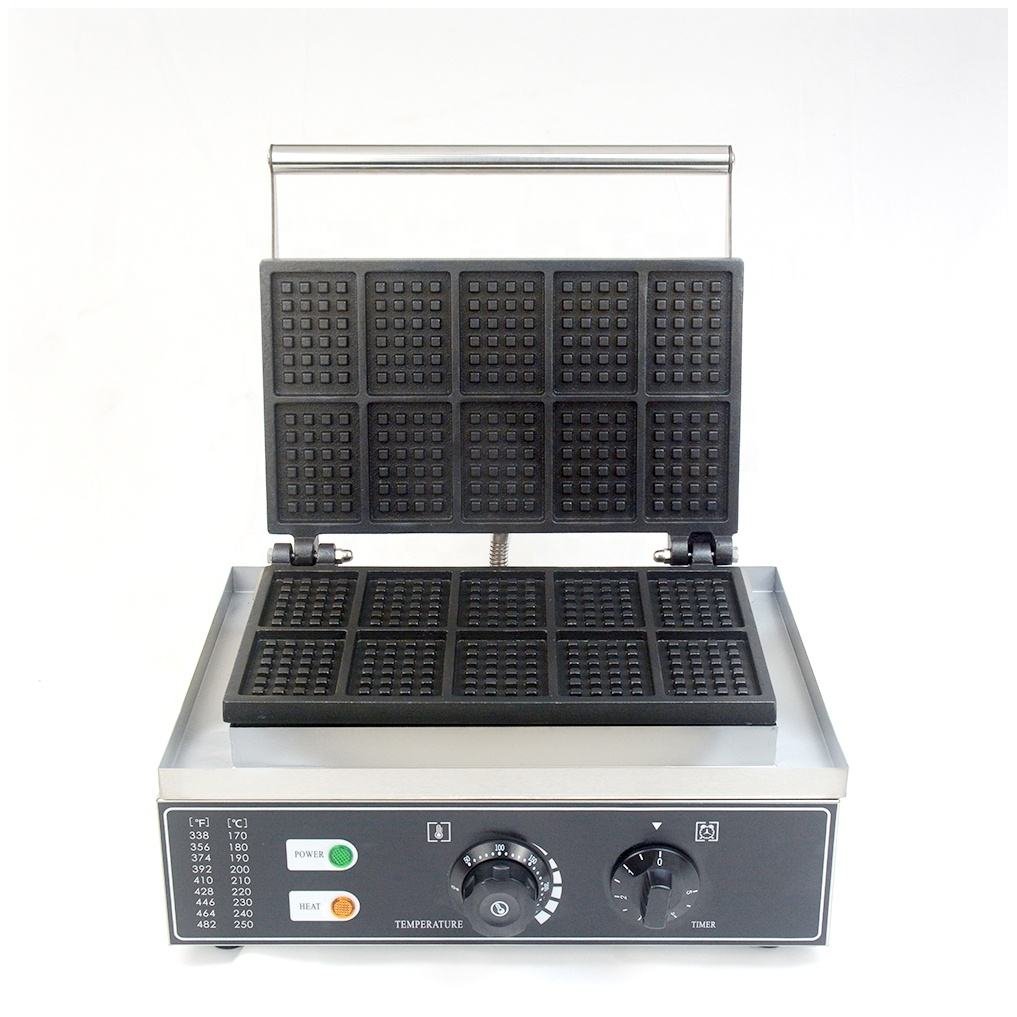
Snack Equipment
Cooking plates and moulds exposed to repeated heating and cleaning cycles.
Structural components that never touch food — legs, frames, and some external panels — are lower-risk areas where a manufacturer may reasonably use a lower grade to manage cost. The surfaces that actually touch food are where it's worth confirming grade before you buy. Every food-contact surface across Acutus's cooking, bakery, beverage, and snack equipment range is built from Grade 304.
How to Verify What Grade You're Actually Buying

Grade isn't always visible or obvious, so it's worth asking directly rather than assuming:
- Ask the supplier directly which grade is used on food-contact surfaces specifically — not just "the equipment" as a whole.
- Request a material test certificate for institutional, government, or large-volume orders, where documented proof matters.
- Use a magnet as a rough check only — genuine 304 is normally non-magnetic, but this isn't a fully reliable test on its own (see the myths below).
- Ask about the manufacturer's own QC process — a manufacturer confident in their material sourcing will usually explain it clearly.
See how we approach this in our own quality control process and material standards.
Common Myths About Stainless Steel Grades
"If it's shiny and labelled stainless steel, the grade doesn't matter."
Grade determines how the metal holds up under repeated cleaning, acidic food contact, and years of daily use — appearance alone doesn't tell you the grade.
"A magnet test can definitively prove a grade."
It's a rough, informal indicator at best. Genuine 304 is normally non-magnetic, but cold-working during fabrication can make it weakly magnetic too — so a magnet test alone isn't conclusive proof.
"202 grade stainless steel is unsafe to use."
202 isn't unsafe — it's simply less corrosion-resistant over time. It's a reasonable choice for non-food-contact structural parts, just not ideal for surfaces that touch food daily.
"All stainless steel equipment from a manufacturer is the same grade throughout."
Some manufacturers mix grades — using 304 where it's visible and 202 in structural or hidden components. Always ask which grade is used on food-contact surfaces specifically.
Best for hygiene
Grade 304, on every food-contact surface.
Best for budget
Grade 202, limited to non-food-contact structural parts.
Best for longevity
Grade 304, especially under daily washing and acidic contact.
Frequently Asked Questions
304 stainless steel contains more nickel, giving it stronger corrosion resistance and a longer service life. 202 substitutes some nickel with manganese, reducing cost but also reducing resistance to rust and staining over time.
202 grade isn't unsafe, but it's less corrosion-resistant than 304 and generally not recommended for food-contact surfaces exposed to daily cleaning and acidic food residue. It's more suited to non-food-contact structural components.
Ask the supplier directly which grade is used on food-contact surfaces, and request a material test certificate if you need documented proof — this is standard for institutional and government orders. A magnet test can offer a rough indicator but isn't fully conclusive on its own.
304 stainless steel is highly corrosion-resistant but not entirely rust-proof — under prolonged exposure to chlorides (like salt) or poor cleaning practices, even 304 can develop surface staining over many years. It performs significantly better than lower grades like 202 under normal commercial kitchen conditions.
304 contains a higher proportion of nickel, which costs more as a raw material than the manganese used to substitute it in 202. That higher material cost is passed on as a higher price for 304-grade equipment.
Conclusion
The difference between 304 and 202 stainless steel doesn't show up on day one — it shows up two or three years in, when one kitchen's equipment still looks and performs like new, and another's has started staining, pitting, and needing early replacement.
For anything that touches food regularly, 304 is worth the higher upfront cost. Before you finalise any commercial kitchen equipment order, ask directly what grade is used on food-contact surfaces — it's one of the simplest questions that tells you the most about what you're actually buying.
Written By
Dhaval PrajapatiFounder of Acutus Kitchen Equipment, with 10 years of hands-on experience in commercial kitchen and stainless-steel equipment manufacturing.
Want Equipment Built From Grade 304, Guaranteed?
Every food-contact surface we manufacture is Grade 304 stainless steel. Get in touch for pricing and availability.